Think You Don’t Need a Sales Page? Think Again.
The other day, while I was getting the house ready for guests, I made the mistake of opening that cupboard.
You know the one, the space where mismatched bedding, rogue towels, and mystery pillowcases go to retire.
One peek and I thought, “I really should tackle this.”
But instead of sorting the cupboard, I found myself deep-cleaning the toaster.
It’s funny, in business, we’ve all got our own “cupboard of shame.”
The thing we keep putting off because it feels overwhelming.
For many service-based business owners, that’s the sales page.
“But I Don’t Need a Sales Page… Do I?”
If you’re a coach, photographer, designer, consultant, or any kind of service provider, you absolutely do.
A sales page isn’t just for online courses or e-commerce products, it’s for any experience you want to sell.
Think of it like this:
If your website is your shop, your sales page is the friendly, knowledgeable guide who takes someone from “I’m just browsing” to “Yes, this is exactly what I’ve been looking for.”
What a Great Sales Page Actually Does
A well-structured sales page:
- Grabs attention and reassures visitors they’re in the right place
- Connects with their challenges so they feel understood
- Positions you as the go-to person who can help
- Introduces your offer as the perfect solution
- Backs it up with proof (testimonials, results, case studies)
- Makes it easy, and irresistible to take the next step
Two Main Types of Sales Pages
1. Traditional Sales Page
This is the type you send people to from an email campaign or ad. They already have an idea of who you are and what you offer, so the copy can go deeper into conversion mode.
2. Offer Page
This lives on your main website navigation, sharing your services in a more story-led, less “hard-sell” way, but still guiding people to take action.
My Go-To Sales Page Formula
While there’s no “one size fits all,” here’s the structure I use when creating high-converting pages for my clients:
- Snappy Headline & Hook – Clearly state what the offer is and why it matters, calling out your ideal client.
- The Problem – Show that you understand the challenges they’re facing.
- The Solution – Paint a picture of what’s possible when they work with you.
- Who It’s For – Use bullet points to help them self-identify.
- Present the Offer – Share the transformation they can expect (before the nitty-gritty of deliverables).
- Why You? – Build trust with your story, experience, and approach.
- Proof – Add testimonials, case studies, and screenshots that back up your claims.
- What’s Included & Price – Be transparent and recap the value.
- Your Personal Note – Write directly to your ideal client as if you were speaking to them one-on-one.
- Call to Action – Tell them exactly what to do next, with energy and personality.
The Secret Ingredient: Emotion
Your sales page shouldn’t just list facts, it should make people feel something.
The more you know about your ideal client’s struggles, the easier it is to write in a way that clicks with them.
That’s why when I create sales pages for Lemonade Design Co clients, I:
- Use language their audience actually uses (not jargon)
- Build a flow that naturally moves them from “problem” to “solution”
- Add warmth, humour, and human touches so it doesn’t feel like a sales pitch
- Make sure it looks as good as it reads, so the design and copy work hand in hand
If your sales page is the thing you’ve been avoiding, your “business cupboard of shame”, you’re not alone.
But once it’s done, you’ll wonder why you didn’t tackle it sooner.
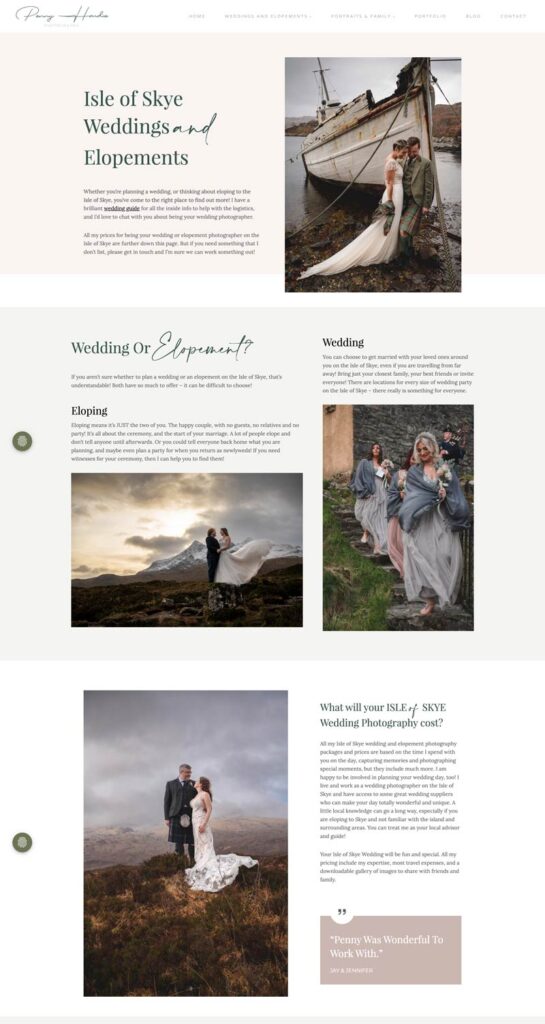
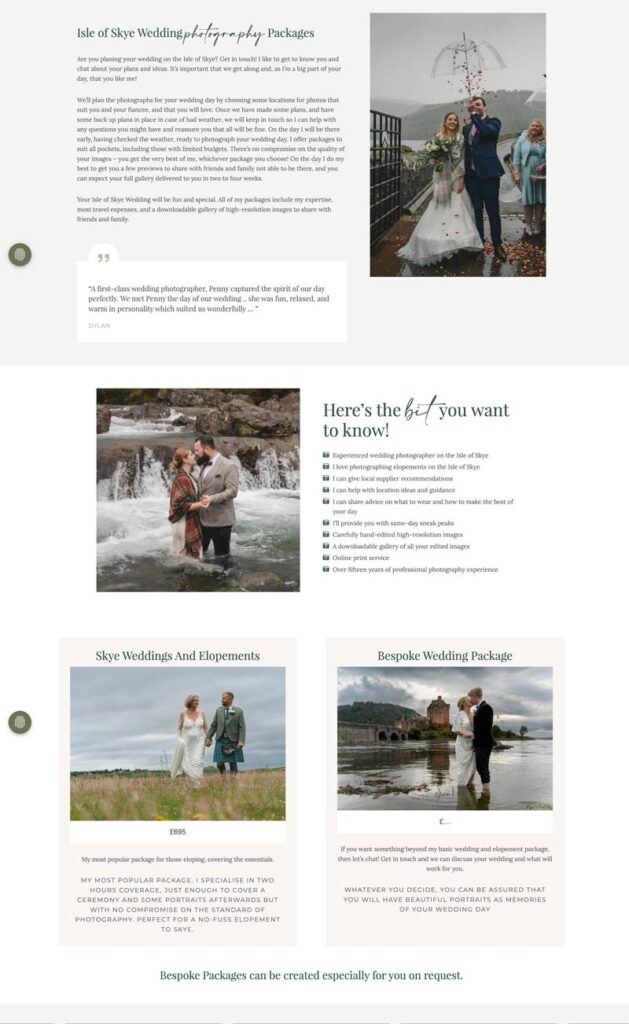
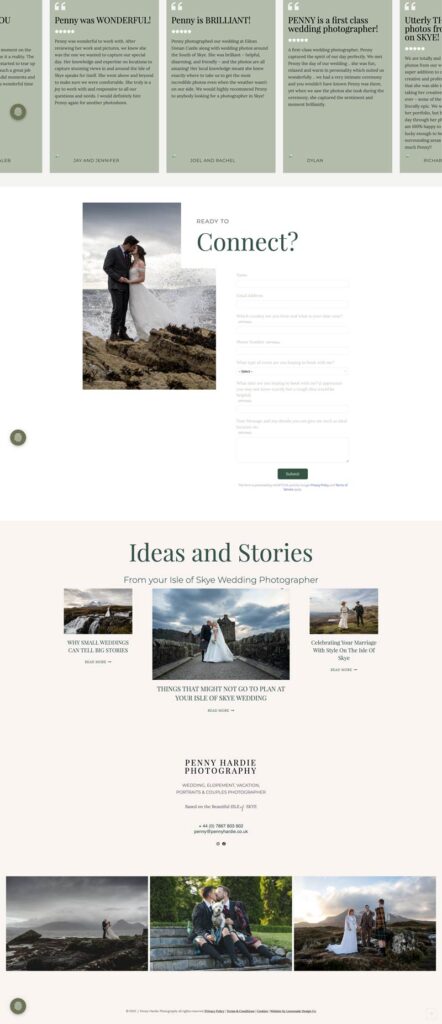
Because here’s the truth: a great sales page works for you 24/7, speaking to your dream clients even while you’re off doing something far more fun than dusting a linen cupboard. Check out Penny Hardie’s Sale Page I did
If you’d like me to help create or refresh your sales page so it’s not only beautiful but actually converts, get in touch here.
Yvette